The RICS 8th Edition Is Almost Here: What's Changing in Party Wall Practice, and Why It Matters to You
3 June 2026

If you are extending, converting a loft, digging out a basement or living next door to someone who is, there is a quiet but significant change happening in the background of the party wall world. RICS has been consulting on the 8th edition of Party Wall Legislation and Procedure, the guidance that sets the professional standard for how surveyors administer the Party Wall etc. Act 1996. The consultation closes on 5 June 2026, and once the final document is published it will take effect three months later.
The Act itself is not changing. The text of the Party Wall etc. Act 1996 stays exactly as it is. What is changing is the bar for how the people administering it are expected to work. For homeowners, that distinction matters more than it might first appear.
What the 8th edition is actually tightening
The draft 8th edition replaces the 7th and, reading through the direction of travel, it focuses on the areas where things most often go wrong in practice. Four stand out.
The first is the validity and service of notices. A surprising number of party wall delays and disputes start with a notice that was served incorrectly, on the wrong owner, or without the right detail. The new guidance puts a clearer emphasis on getting this right at the outset, because a defective notice can unravel everything that follows.
The second is surveyor appointments and conduct, including conflicts of interest and impartiality. The Act stipulates that a surveyor acts impartially, not as a hired advocate for whoever is paying them. The 8th edition sharpens the expectations around how appointments are made and how surveyors are expected to behave once appointed.
The third is proportionality in awards. The guidance encourages awards that are matched to the actual risk of the works, rather than long, box-ticking documents that add cost and time without adding protection. For a straightforward rear extension, the paperwork should reflect a straightforward rear extension.
The fourth is early dispute avoidance. The clear preference is for surveyors to head off disagreements before they escalate, rather than reaching for the Third Surveyor every time there is a difference of opinion. It is unlikely that the Third Surveyor will be required on a typical domestic project; however, the Act stipulates that one must be selected, and unnecessary referrals carry additional cost. The new guidance reinforces that this should be a last resort, considered carefully, not a reflex.
Alongside this, the draft includes updated appendices, revised letters of appointment and terms, and a refreshed draft award. In plain terms, the templates and paperwork that sit behind your matter are being modernised.
Why this matters if you are a Building Owner or an Adjoining Owner
Whichever side of the wall you are on, the practical effect is the same: the standard you should expect from your surveyor is going up.
If you are the Building Owner carrying out the works, the risk you most want to avoid is a process that drags. You are often already waiting on your architect, your structural engineer and your design team, and the last thing you need is a party wall matter that adds weeks for no good reason. Notices served correctly the first time, and awards that are proportionate to the job, keep things moving.
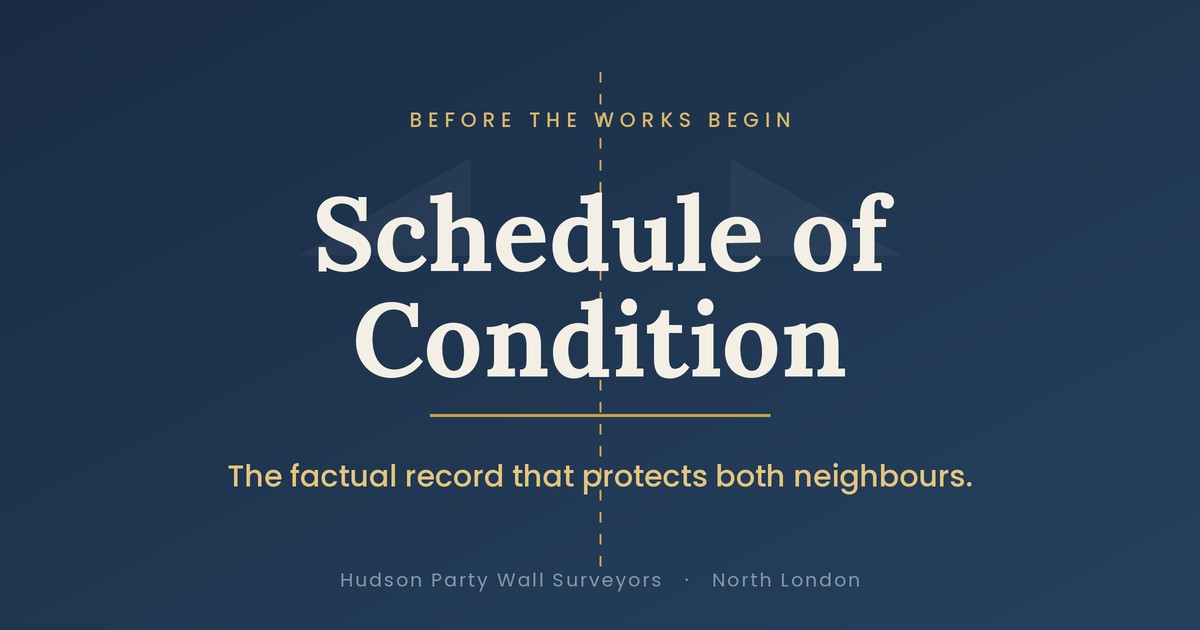
If you are the Adjoining Owner, the works are happening to the property next door and you did not ask for any of it. What you want is genuine protection, an accurate Schedule of Condition before anything starts, and a surveyor acting impartially rather than waving the project through. The 8th edition's emphasis on impartiality and proper procedure is squarely in your interest.
In both cases, the guidance is pushing the profession towards exactly the things a good surveyor should already be doing.
The thing worth being honest about
Whenever RICS moves on guidance like this, a wave of "what's changed in the 8th edition" content appears almost overnight. Firms publish articles positioning themselves as ahead of the curve and use the moment to win attention. That is fair enough, and you may well see a lot of it over the coming months.
It is worth understanding what that activity does and does not tell you. Publishing an article about a standard is not the same as working to it. The more useful question to ask any party wall surveyor is a simpler one: are you regulated by RICS in the first place?
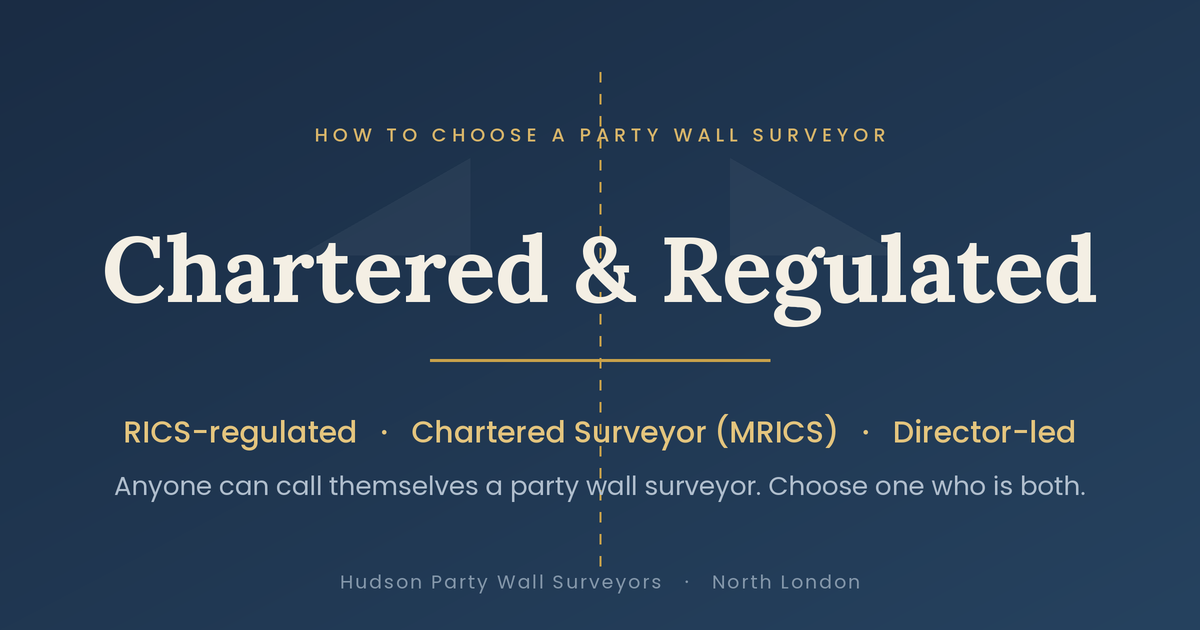
This is where many homeowners are caught out. Not all party wall surveyors are Chartered Surveyors, and not all are regulated by RICS. The title "surveyor" is not protected in the way people assume. So when guidance like the 8th edition raises the standard for RICS members, it only raises the standard for the surveyors who are actually accountable to RICS. Everyone else is unaffected by it.
Where Hudson sits
At Hudson Party Wall Surveyors we are an RICS regulated practice, and that is the baseline we have always worked from rather than something we have rushed to claim this year. Simon Pinder, our Director, is a Chartered Surveyor with a first class construction degree and twenty years in the industry.
The direction the 8th edition is taking, correct service of notices, genuine impartiality, proportionate awards and avoiding unnecessary escalation, is the way we already run our matters. We act for Building Owners and Adjoining Owners, we keep communication flowing, and we have introduced text updates so clients are never left wondering where things stand. During the process you have a single point of contact, and the other side's surveyor should not be contacting you directly.
None of that changes when the 8th edition lands. If anything, it simply formalises the standard we have been holding ourselves to. The one practical update on our side is housekeeping: once the final edition is published, we will align our appointment letters, terms and award templates with it, so everything you sign reflects the current guidance.
What to do with this
If you have works coming up, or your neighbour has just told you about theirs, you do not need to wait for the new edition to be published before getting advice. The Act stipulates the timeframes either way, and acting early is almost always the thing that saves you time and stress later.
If you would like to understand where you stand and what the process looks like for your specific situation, get in touch and we will walk you through it plainly. We aim to simplify matters, not complicate them.
Need help with your Party Wall Matters?
We’re here to help. Call for free advice or book a Chartered Party Wall Surveyor to call you at your convenience.